ZY-125 ASTM standard construction &indutrial steel pipe making machine

Finish Product information:
| 1 |
OD of the tube |
50.8mm-130mm |
| 2 |
Wall thickness range |
2.0mm-5.0mm |
| 3 |
Tube length |
4m-12m |
| 4 |
Line speed |
80m/min |
Product Overview
The ASTM Standard Steel Pipe Making Machine with High Speed High Frequency Welder is designed for continuous production of ERW welded steel pipes used in construction, fluid transportation, mechanical structures, fire protection systems, furniture frames, and industrial applications.
This production line is suitable for carbon steel, cold-rolled steel, hot-rolled steel, galvanized steel, and low-alloy steel strip. It can be configured according to ASTM-related pipe standards such as ASTM A53 for welded steel pipe and ASTM A500 for structural tubing.
This is not only a pipe making machine. It is a complete production solution that helps manufacturers control forming accuracy, weld seam quality, pipe size stability, production speed, and downstream processing efficiency.
Problem
Many pipe factories face the same problem: the machine can produce pipe, but the finished pipe is not stable enough for export or standard-based applications.
Common issues include weak weld seams, unstable outside diameter, large burrs, poor straightness, inaccurate cutting length, low speed, and high scrap rate during coil change or size change.
For ASTM-related pipe production, customers do not only care about the machine running. They care about whether the final pipe can meet dimensional tolerance, welding quality, material requirement, and application performance.
Clear Answer
A qualified ASTM standard steel pipe making machine should be selected according to pipe standard, tube size range, wall thickness, steel grade, line speed, welding power, cutting accuracy, inspection method, and final application.
The core value of the machine is not only high speed. The real value is stable pipe quality under continuous production.
Cause
Pipe quality problems usually come from poor process matching.
If strip feeding is unstable, the forming section cannot keep the pipe shape consistent. If the roll pass design is not accurate, the strip edges may not align correctly before welding.
High-frequency welding also requires accurate control of welding power, line speed, V-angle, squeeze pressure, and cooling condition. When these factors are not matched, the pipe may have hidden weld seam defects.
For high-speed pipe production, the accumulator is also important. Without enough strip storage, the forming and welding section must stop during coil change. This causes downtime, restart waste, and unstable pipe quality.
Another common mistake is selecting a machine only by maximum speed. A high-speed pipe mill is useful only when the machine structure, welding system, cutting system, and inspection system can support stable production.
Solution
This ASTM Standard Steel Pipe Making Machine provides a complete ERW pipe production solution from steel coil to finished pipe.
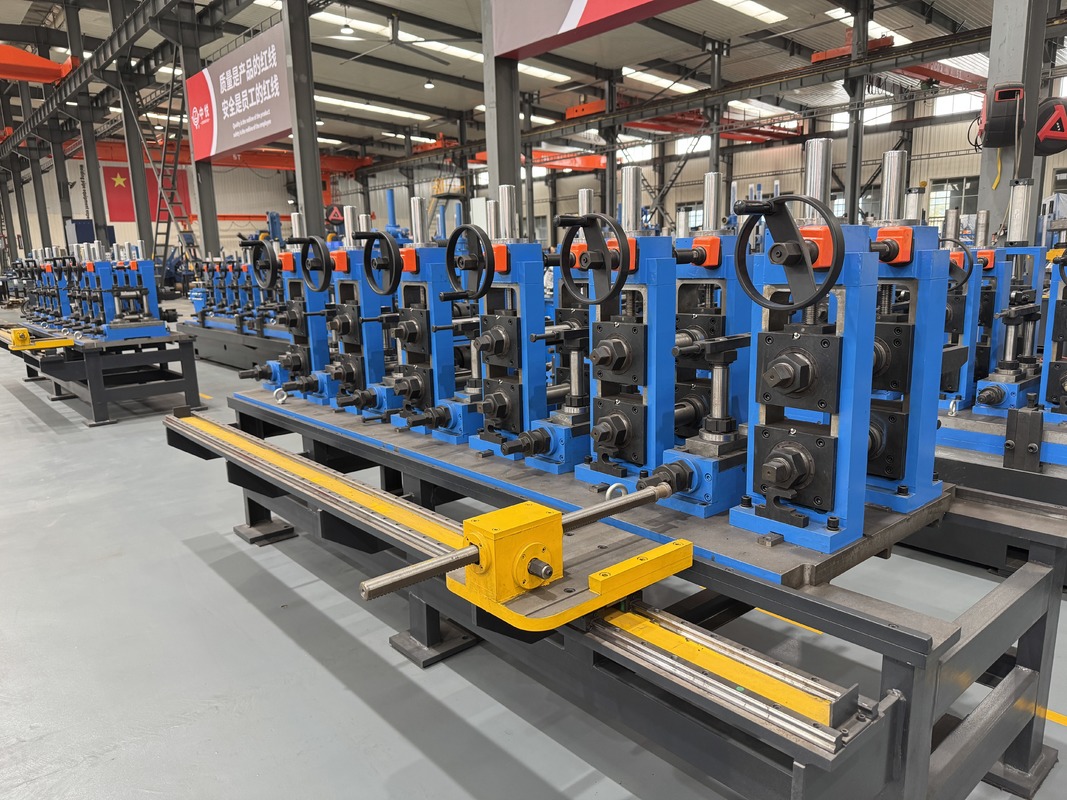
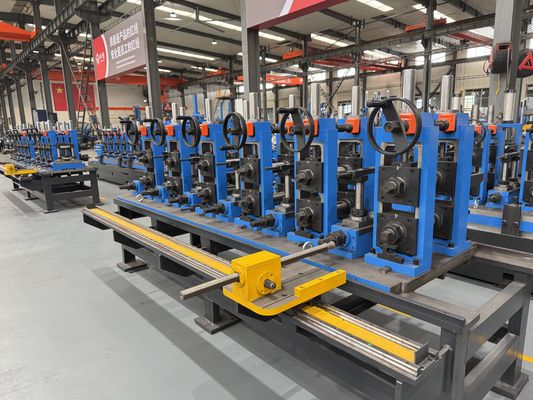
The standard production line includes uncoiler, shear and end welder, strip accumulator, forming mill, high-frequency welder, weld bead removal device, cooling section, sizing mill, straightening unit, flying saw or cold saw, run-out table, and optional inspection equipment.
The forming section gradually bends the steel strip into a round, square, or rectangular pipe shape. A properly designed forming process helps reduce strip stress and improves edge alignment before welding.
The high-frequency welder heats the strip edges rapidly. Then the squeeze rolls press the heated edges together to form a continuous longitudinal weld seam.
After welding, the pipe passes through bead removal, cooling, sizing, and straightening. These sections help control final pipe diameter, shape, straightness, and surface quality.
For customers targeting ASTM-related markets, the line can be equipped with eddy current testing, ultrasonic testing, hydrostatic testing, end facing, automatic marking, bundling, and packing systems.
Zhongyue Metallurgy Equipment Technology can customize the pipe making machine according to pipe size range, wall thickness, material grade, annual capacity, workshop layout, power supply, automation level, and inspection requirements.
Specifications
The following parameters are reference specifications. Final configuration should be confirmed according to the customer’s pipe size, wall thickness, material, production speed, and target standard.
| Item |
Reference Specification |
| Product Name |
ASTM Standard Steel Pipe Making Machine with High Speed High Frequency Welder |
| Pipe Type |
ERW welded steel pipe |
| Applicable Pipe Shape |
Round pipe, square tube, rectangular tube |
| Raw Material |
Carbon steel, cold-rolled steel, hot-rolled steel, galvanized steel, low-alloy steel |
| Applicable Standards |
ASTM A53, ASTM A500, ASTM A513, or customized standard requirements |
| Welding Method |
High-frequency ERW welding |
| Reference Production Speed |
20–120 m/min, depending on pipe size and wall thickness |
| Reference Wall Thickness |
Customized according to pipe diameter and material grade |
| Forming Method |
Roll forming, round-to-square forming, or direct square forming |
| Cutting Method |
Flying saw or cold saw |
| Main Process |
Uncoiling, shear welding, accumulation, forming, HF welding, sizing, cutting, run-out |
| Optional Testing |
Eddy current testing, ultrasonic testing, hydrostatic testing |
| Power Supply |
380V / 50Hz / 3 Phase or customized |
| Automation Level |
Manual, semi-automatic, or automatic configuration available |
Application
This steel pipe making machine is suitable for manufacturers producing standard welded pipes for construction, structural, mechanical, and industrial markets.
Construction and Building Pipes
The machine can produce welded steel pipes for building structures, scaffolding, support frames, guardrails, and general construction use.
For construction applications, pipe straightness, welding quality, and dimensional consistency directly affect installation efficiency and structural reliability.
Fluid Transportation Pipes
The line can be configured for welded steel pipes used in water, gas, air, and general fluid transportation systems.
For this application, weld seam stability, pipe roundness, cutting quality, and inspection process are important for safe connection and long-term service.
Mechanical and Industrial Tubes
The machine can produce pipes used for machinery frames, conveyor systems, equipment bases, agricultural machinery, warehouse racks, and industrial components.
These products require stable pipe dimensions and repeatable production quality to reduce downstream fabrication problems.
Furniture and Commercial Metal Products
For furniture frames, display racks, table legs, chair tubes, and commercial metal products, the machine can focus on surface quality, smooth cutting, and accurate tube size.
A stable production line helps reduce polishing, welding, and assembly costs in later processing.
Galvanized Pipe Production
The machine can also support galvanized steel pipe production when matched with suitable raw material or downstream galvanizing process.
Galvanized pipes are widely used in fences, greenhouse structures, outdoor supports, solar mounting systems, and light steel construction.
How It Works
The production process starts with steel coil loading. The uncoiler holds the steel coil and feeds the strip into the pipe production line.
The shear and end welder connects the end of one coil with the beginning of the next coil. This reduces line stoppage and improves production continuity.
The accumulator stores enough strip material so the forming and welding section can keep running during coil change.
The forming mill gradually shapes the flat steel strip into the required pipe shape through multiple roll stands. Good roll design ensures stable edge alignment before welding.
The high-frequency welder heats the strip edges at high speed. The squeeze rolls press both heated edges together and create the longitudinal weld seam.
The welded pipe then passes through bead removal, cooling, sizing, and straightening. These sections control pipe surface, final dimension, and straightness.
Finally, the flying saw or cold saw cuts the pipe into fixed lengths. The finished pipe moves to the run-out table for inspection, collection, bundling, or further processing.
How To Choose
1. Confirm the Target ASTM Standard
Before choosing the machine, confirm whether the final pipe needs ASTM A53, ASTM A500, ASTM A513, or another standard.
Different standards may require different pipe shape, material grade, dimensional tolerance, mechanical performance, and testing process.
2. Confirm Pipe Size and Wall Thickness
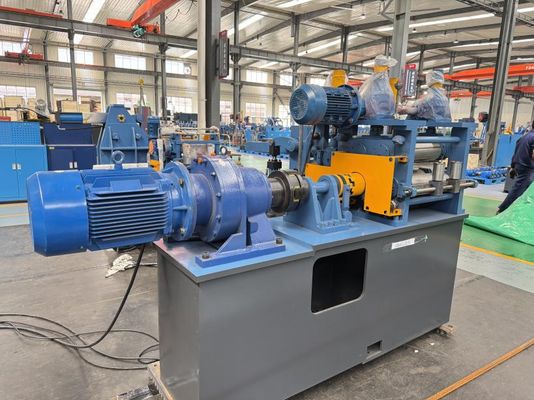
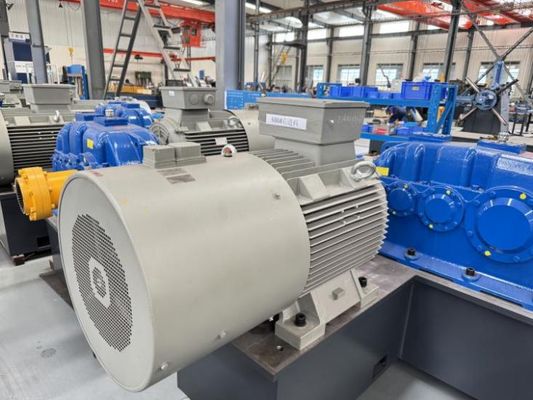
Pipe diameter, square tube size, rectangular tube size, and wall thickness decide the machine model, roll design, motor power, welding power, and cutting system.
A machine for small thin-wall pipe cannot be used as a thick-wall structural pipe mill without proper configuration.
3. Match High Speed with Real Production Conditions
High speed does not mean every pipe size can be produced at the maximum speed.
For smaller and thinner pipes, higher speed is easier to achieve. For larger or thicker pipes, the practical speed should be reduced to protect weld seam quality and dimensional stability.
4. Choose the Right High-Frequency Welder
The high-frequency welder should match material grade, pipe size, wall thickness, and target speed.
Insufficient welding power may cause weak seam bonding. Excessive power may cause overheating, large burrs, and unstable weld quality.
5. Select Flying Saw or Cold Saw
Flying saw is suitable for continuous high-speed pipe production and general cutting requirements.
Cold saw is recommended when the customer needs better cutting surface, less burr, higher length accuracy, and improved downstream processing quality.
6. Plan Inspection Equipment Early
If the final pipe is used for export, pressure-related applications, or higher-standard structural markets, inspection equipment should be planned from the beginning.
Common options include eddy current testing, ultrasonic testing, hydrostatic testing, end facing, marking, automatic bundling, and packing.
7. Consider Future Product Expansion
A good pipe making machine should meet current production needs and leave space for future product upgrades.
If the factory may produce larger pipes, thicker walls, or higher-standard pipes later, the line should reserve capacity in forming stands, motors, welding power, and automation systems.
FAQ
1. Can this machine produce ASTM standard steel pipe?
Yes. The machine can be configured for ASTM-related welded steel pipe production.
Final compliance depends on raw material, pipe size, wall thickness, welding quality, dimensional tolerance, testing process, and the exact ASTM standard required by the customer.
2. What is the role of the high-frequency welder?
The high-frequency welder heats the strip edges before squeeze welding.
It is one of the most important parts of the ERW pipe production line because weld seam strength, burr condition, and production speed are directly related to welding stability.
3. Can the machine produce both round and square pipes?
Yes. The machine can be configured to produce round pipes, square tubes, and rectangular tubes.
For square and rectangular tubes, customers can choose round-to-square forming or direct square forming according to product range and size-change frequency.
4. Is 120 m/min speed suitable for all pipe sizes?
No. The maximum speed depends on pipe diameter, wall thickness, material grade, welding power, forming stability, and cutting method.
For large diameter or thick-wall pipe, a lower practical speed is usually recommended to ensure stable quality.
5. What information is needed before quotation?
The main information includes pipe size range, wall thickness, steel grade, pipe standard, production speed, annual capacity, power supply, workshop layout, cutting length, and inspection requirements.
If the customer can provide finished pipe drawings or target ASTM standard, the machine configuration will be more accurate.
Related Content Plan for Better Search Coverage
Technical Article: How High-Frequency Welding Improves ERW Steel Pipe Quality
This article should explain welding power, edge heating, squeeze pressure, V-angle control, bead removal, and common weld seam defects.
It helps customers understand why the high-frequency welder is the core part of a steel pipe making machine.
Industry Analysis: Why ASTM Standard Pipe Production Requires Stable ERW Pipe Mills
This article should explain market demand from construction, fluid transportation, mechanical tubing, fire protection, and export pipe projects.
It should focus on why standard-based production needs more than simple pipe forming.


 Your message must be between 20-3,000 characters!
 English